
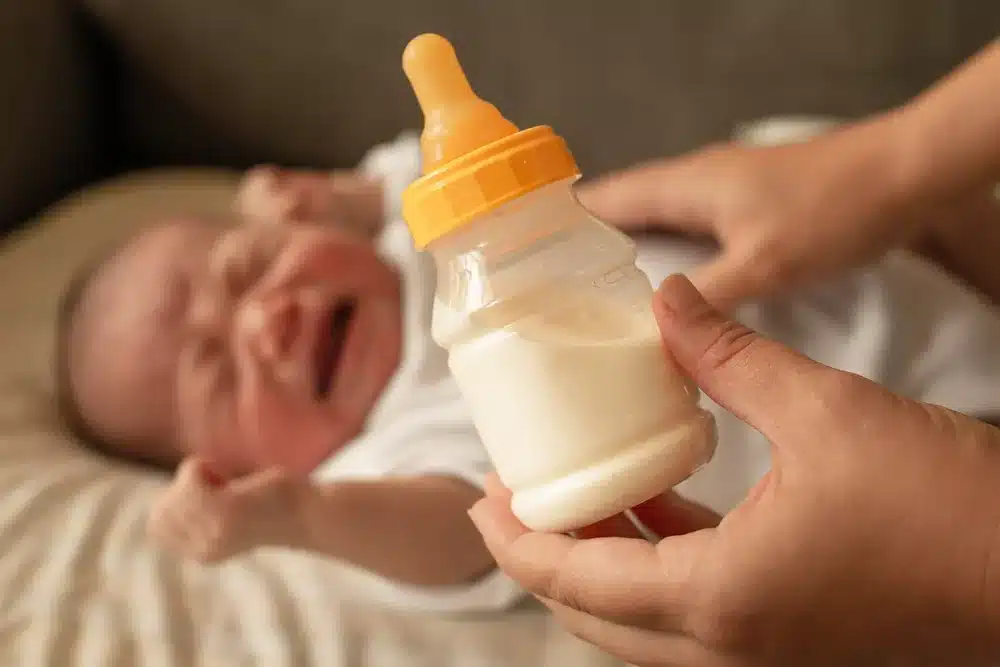
Child pushing the bottle? You’re not alone! Image this: you provide the bottle, your infant excitedly reaches for it, after which… bam! They push it away with a annoyed frown. Panic units in – they’re hungry, you recognize it, however why this rejection?
As an professional pediatrician and mother of two, I’m uncovering the explanations and options hiding behind this lovely (but complicated!) habits. Prepare for a journey into the fascinating world of feeding cues, tummy troubles, and sensory sensitivities, the place we’ll equip you with the instruments to show bottle refusal into joyful mealtimes on your little munchkin! So buckle up, dad and mom, and let’s dive into the thriller of the Child Pushing Bottle!
Causes Why Infants May Push the Bottle Away
The sight of your hungry child pushing away the bottle is usually a complicated and irritating expertise. It’s pure to marvel, “Why are they doing this?” and “Am I doing one thing improper?” Earlier than leaping to conclusions, let’s take a better take a look at the varied explanation why your infant could be rejecting the bottle, even when seemingly hungry.
The American Academy of Pediatrics suggests delaying the introduction of meals apart from breast milk till your toddler is roughly 6 months outdated, with unique nursing really useful earlier than that. Nevertheless, that isn’t at all times attainable, and you will have to introduce the bottle at any time all through the primary 12 months.
1. Discomfort and Ache:
- Gasoline: Trapped fuel bubbles could cause tummy aches and make feeding uncomfortable. Attempt burping your child incessantly throughout the feed to launch the fuel.
- Teething: The chilly nipple can irritate delicate gums, particularly throughout teething. Think about providing a relaxing teething toy or a mesh feeder with chilly fruit puree.
- Ear an infection: Swallowing may be painful with an ear an infection. Look ahead to indicators like ear pulling, fever, and fussiness, and seek the advice of your pediatrician should you suspect this.
- Acid reflux disease: Acid reflux disease causes a burning sensation within the throat, making your child hesitant to eat. Discuss to your pediatrician about managing reflux signs.
2. Feeding Points:
- Nipple movement: The movement of milk could be too quick or too sluggish, inflicting them to gag or lose curiosity thus feeding babies struggle bottle however stay nonetheless hungry. Experiment with totally different nipple sizes and types to search out the proper match.
- Bottle temperature: Some infants want their milk heat, whereas others prefer it chilly. Modify the temperature to see if that makes a distinction.
- Place: An uncomfortable feeding place can create stress and make it tough on your child to suck. Attempt totally different positions like upright or cradled in your arms.
- Distractions: An excessive amount of noise or exercise can simply distract your child, making them lose concentrate on the bottle. Discover a quiet and calm surroundings for feeding time.
3. Developmental Adjustments:
Throughout development spurts, infants get hungrier sooner but in addition tire extra shortly. They could eat a small quantity and push away the bottle though they’d like extra later. As infants develop a stronger gag reflex, they could push away the bottle if overwhelmed by the movement of milk. Attempt slowing down the feeding or utilizing a smaller nipple dimension.
4. Behavioral or Environmental Components:
Some infants may push away the bottle to exhibit their newfound independence and need for management. Provide the bottle at totally different occasions and look ahead to starvation cues as an alternative of forcing it.
Overstimulating a drained or fussy child could make them reject the bottle. Attempt calming them down earlier than providing the feed. Drive-feeding or disagreeable feeding experiences can create an aversion to the bottle. Create a optimistic and relaxed feeding surroundings to re-associate it with good emotions.
5. Emotional or sensory components
Whereas starvation pangs appear to be the plain offender behind a child pushing away the bottle, a deeper dive reveals an enchanting world of emotional and sensory components that may additionally play an important function. Understanding these hidden influences may be key to unlocking a optimistic and profitable feeding expertise for each you and your infant.
Emotional Echoes:
1. Separation Nervousness: The transition from the nice and cozy embrace of breastfeeding to the chilly solitude of the bottle can set off separation nervousness in some infants. Mimic the closeness of breastfeeding by holding them shut whereas giving the bottle, provide skin-to-skin contact, and use soothing phrases and songs to construct consolation.
2. Stress and Overwhelm: Brilliant lights, loud noises, or perhaps a bustling family can overwhelm a fragile new child, making them hesitant to feed. Dim the lights, create a relaxed surroundings, and provide the bottle in a quiet house to assist them really feel safe.
3. Unfavorable Associations: Drive-feeding or previous disagreeable feeding experiences can go away an emotional scar, resulting in bottle aversion. Be affected person, keep away from strain, and concentrate on making a optimistic and relaxed feeding surroundings to rebuild belief.
Sensory Symphony:
4. The Style Sensation: Not all formulation are created equal! Some infants could be delicate to the style or scent of the components. Experiment with totally different manufacturers and kinds, or think about including breast milk should you’re nonetheless producing it.
Nipple Nuances: Texture issues! Some infants want the softness of silicone, whereas others discover solace within the naturalness of latex. Attempt totally different nipple supplies and sizes to search out the one which feels most comfy for them.
5. Temperature Tango: Some infants are sizzling chocolate followers, whereas others want their milk on ice. Modify the temperature barely hotter or cooler to see if that makes a distinction.
6. Tactile Tenderness: Some infants are cuddle monsters, whereas others have delicate boundaries. Experiment with totally different swaddling methods and holding positions to search out one which feels comforting and never overwhelming.
Unveiling the Thriller:
7. Observe and Decode: Watch your child’s particular person cues. Do they fuss earlier than the bottle seems? Do their fists clench or their brows furrow? These delicate indicators can level you in the direction of the hidden purpose behind their rejection.
Understanding Child’s Feeding Cues
Understanding your child’s feeding cues is crucial for making certain they get the nourishment they want and selling a optimistic and stress-free feeding expertise for each of you. Right here’s a complete information that will help you decode your infant’s starvation indicators:
1. Pre-Feeding Cues:
When your infant is prepared for a meal, they’ll ship you clear indicators! Look ahead to them to grow to be extra alert and full of life, eyes glowing and looking out. They could flip their head like just a little radar in the direction of your chest, rooting and trying to find the acquainted consolation of the nipple. Their very own tiny fingers may grow to be their snacks, sucking on fingers or fists in a pure reflex that exhibits they’re able to chow down. Maintain an ear out for smacking lips or these lovely rooting noises, like little head nudges asking for meals. If restlessness and fussiness begin to kick in, it’s a late-stage sign that your hungry monster wants some refueling pronto! Keep in mind, these early cues are your child’s manner of claiming “Deliver on the bottle!”
2. Lively Feeding Cues:
As soon as the feeding frenzy begins, you’ll know your infant is having fun with the present! Vast open mouths provide a welcoming “come one in ” to the nipple, which they’ll latch onto like a professional, sucking away with a gentle rhythm and satisfying gulps. Look ahead to these lovely indicators of contentment and relaxed physique language – they’re telling you their tummy is joyful! However don’t push your luck! When your hungry hero begins pushing the bottle away, turning their head like just a little meals rejector, or clenching their fists like tiny bouncers, it’s time to name it a day. Closed mouths, extreme drooling, and torpid snuggles are different clear indicators their bellies are full and it’s time to modify gears. Keep in mind, studying these fullness cues is essential to avoiding cranky overstuffed monsters and retaining mealtimes a cheerful dance for each of you!
Vital Notes:
Crying is a late-stage starvation cue. By the point your baby won’t stop- crying is without doubt one of the most difficult conditions to deal with for fogeys. they could be overstimulated and fussy, making feeding more difficult as it’s their type of communication.
Each child is totally different, and their starvation cues might range. Take note of your child’s particular person patterns and what works greatest for them.
What To Do When Your Child Pushes the Bottle Away
When your child pushes away the bottle regardless of seemingly being hungry, it may be complicated and irritating. However earlier than you panic, keep in mind that there are lots of explanation why your infant may reject the bottle, and most are simply addressed with persistence and understanding. Right here’s what you are able to do:
Earlier than Feeding:
- Observe starvation cues: Look ahead to indicators like rooting, sucking on fingers, smacking lips, changing into alert, or fussiness. Providing the bottle too early or too late can result in rejection.
- Examine for discomfort: Gasoline, teething, ear infections, or acid reflux disease could cause ache and make feeding disagreeable. Burp your child, strive teething cures, or seek the advice of your pediatrician should you suspect different points.
- Create a relaxed surroundings: Loud noises, brilliant lights, or distractions can overwhelm your child. Dim the lights, discover a quiet house, and sing or discuss softly to create a calming ambiance.
Throughout Feeding:
- Experiment with the bottle: The nipple movement could be too quick or sluggish, the temperature could be uncomfortable, or the fabric could be irritating. Attempt totally different nipples, modify the temperature, and think about switching bottle manufacturers.
- Modify your place: Completely different positions may be extra comfy on your child. Attempt upright, cradled in your arms, or mendacity on their again with their head elevated.
- Take breaks: Provide the bottle in small increments and permit your child to pause as wanted. Burping incessantly may also assist forestall fussiness.
- Keep calm and affected person: Drive-feeding or getting annoyed will solely make issues worse. Take a deep breath, provide the bottle once more later, and keep in mind that each child is totally different.
- Seek the advice of your pediatrician: In the event you’re involved about your child’s weight achieve, feeding habits, or suspect an underlying medical situation, search skilled recommendation. Think about providing breast milk: In the event you’re nonetheless producing milk, you can combine it with components or provide it completely. Many infants discover breast milk extra comforting and acquainted.
- Don’t hand over: Maintain providing the bottle at common intervals and take note of your child’s cues. With persistence and consistency, you’ll finally discover a feeding routine that works for each of you.
Keep in mind, your child’s rejection of the bottle isn’t a mirrored image of your parenting abilities. It’s merely a communication, and by understanding the message behind it, you’ll be able to create a optimistic and profitable feeding expertise for each of you.
Associated: Baby Fights Bottle But Still Hungry? (The Most Common Reasons!)
Options to Child Rejecting the Bottle
Child Pushing Away the Bottle? No Worries! Let’s Repair It!
Your infant gained’t take the bottle, though you recognize they’re hungry? Don’t panic! It’s not the top of the world, and there are many issues you’ll be able to attempt to flip feeding time into a cheerful second once more.
First, examine for tummy troubles:
- Gassy? Burp your child usually throughout and after feedings. You’ll be able to even strive a special feeding place.
- Teething ache? Provide cool teething toys or a mesh feeder with chilly fruit puree. Ask your physician about teething drugs if wanted.
- Ear an infection? Look ahead to indicators like ear pulling, fever, and fussiness. See your physician instantly should you suspect this.
- Acid reflux disease? Prop your child up throughout and after feeds. Smaller, extra frequent feeds may help too. Discuss to your physician for additional recommendation.
Subsequent, make feeding time a breeze:
Attempt totally different sizes, supplies, and even the movement price. Some infants like sluggish movement, others prefer it quick!
Heat or chilly? Some infants want their milk heat, others prefer it chilly. Experiment to search out what they like greatest. Attempt totally different feeding positions till you discover one which’s cosy and comfy for each of you. Discover a quiet place with minimal distractions. Tender lights, music, and mild discuss can work wonders.
Suppose exterior the bottle:
Throughout these occasions, infants get hungry sooner however tire faster. Provide small, frequent feeds and don’t pressure them to complete if they appear full.
Delicate tummy? Attempt totally different components manufacturers. You’ll be able to even add your breast milk should you’re nonetheless producing it. Lacking Mother? In the event you lately switched from breastfeeding, maintain your child shut whereas providing the bottle. Pores and skin-to-skin contact and lullabies may help ease the transition.
Bonus ideas:
- Discuss to your physician: In the event you’re fearful about your child’s weight achieve, feeding habits, or suspect an underlying medical situation, their steering is essential.
- Help teams and lactation consultants: These assets can provide precious recommendation and encouragement.
- Have persistence and love! Each child is totally different, and discovering the proper resolution takes time. Be affected person, constant, and preserve providing the bottle at common intervals, watching for his or her cues.
Keep in mind, you’re not alone! With just a little detective work, persistence, and the following tips, you’ll be able to flip feeding time into a cheerful and profitable expertise for each of you. Now go on the market and conquer that bottle problem!
Conclusion
In conclusion, navigating the intricate world of a child pushing the bottle away requires a holistic understanding of the myriad components influencing their feeding habits. From bodily discomforts like fuel and teething to developmental adjustments and emotional nuances, this text has offered a complete information for fogeys going through the problem of bottle refusal. By deciphering feeding cues, addressing potential points, and incorporating persistence and love, caregivers can rework irritating moments into pleasant and stress-free mealtimes. The journey entails statement, experimentation, and making a optimistic feeding surroundings. Keep in mind, every child is exclusive, and the options supplied right here goal to empower dad and mom to decode the thriller of bottle rejection and foster a harmonious feeding relationship. So, with a mix of understanding, perseverance, and the offered ideas, dad and mom can confidently face the bottle problem, making certain each nourishment and pleasure for his or her little ones.
FAQ’s
Q1: How can I inform if my child is rejecting the bottle resulting from sensory points?
Sensory points, akin to sensitivity to style, texture, or temperature, can contribute to bottle rejection. Experiment with totally different components manufacturers, nipple supplies, and bottle temperatures to search out what fits your child’s preferences. Take note of their reactions and modify accordingly.
Q2:What ought to I do if my child has a powerful gag reflex and pushes the bottle away?
In case your child has a powerful gag reflex, strive slowing down the feeding tempo or utilizing a smaller nipple dimension. This may help forestall them from feeling overwhelmed by the movement of milk. Step by step introducing the bottle and permitting breaks throughout feeds will also be useful.
Q3: Can introducing solids have an effect on my child’s willingness to bottle-feed?
Sure, introducing solids can influence your child’s feeding habits. They might push the bottle away in the event that they’re adjusting to new tastes and textures. Make sure you preserve a balanced feeding routine and take note of any adjustments of their preferences.
This fall: My child used to take the bottle with out points, however now they’re refusing. Why may this occur?
Infants’ preferences and behaviors can change over time. It may very well be resulting from developmental adjustments, akin to a development spurt or an elevated sensitivity to their environment. Experiment with totally different feeding positions, nipple sizes, and bottle sorts to see if their preferences have developed.
Q5: What function does skin-to-skin contact play in serving to with bottle rejection?
Pores and skin-to-skin contact may help mimic the closeness of breastfeeding, lowering separation nervousness for some infants. Holding your child shut whereas providing the bottle, together with soothing phrases and songs, can create a comforting surroundings that will ease bottle rejection.
Q6: Is it regular for a child to reject the bottle sometimes, or ought to I be involved?
Occasional bottle rejection is regular and may be influenced by varied components. Nevertheless, should you discover persistent points, adjustments in weight achieve, or should you’re involved about your child’s total well-being, it’s advisable to seek the advice of together with your pediatrician for customized steering.
Q7: How can I transition my child from breast to bottle with out bottle refusal?
Gradual transitions, sustaining familiarity with breastfeeding cues, and utilizing breast milk within the bottle can ease the transition. Guarantee a relaxed and optimistic surroundings, and experiment with totally different feeding positions to search out what feels comfy on your child.
Learn additionally:
1. What To Do When Your Baby Won’t Stop Crying? (Reasons And Tips)
2. Why Is My Baby Playing With His/Her Bottle Instead Of Drinking