

Turning into a mother or father is a joyous expertise, but it surely comes with its justifiable share of challenges. One widespread concern that many new mother and father face is ‘’why does my child cry after ending the bottle?’’.
It’s important to acknowledge that infant crying is the first technique of communication and understanding the explanations behind it’s essential for offering correct care.
On this complete information as an knowledgeable pediatrician, I’ll delve into the varied components contributing to this habits, offering sensible ideas to assist mother and father navigate this section with confidence.
Why Does A Child Cry After Feeding?
Infants could cry after feeding for varied causes, and understanding these cues is important for responsive caregiving. I’ve talked about a number of the predominant motive behind child crying after emptying bottle:
1. Digestive Points
Colic
Colic is usually related to extreme crying. It’s when infants won’t stop crying, particularly within the late afternoon or night and that’s the type of communication for them. It’s not a illness, only a approach to describe when a child has robust tummy ache and cries a bunch.
Baby colic impacts 10%-20% of infants aged between second week to 6 weeks.
Infants with colic could clench their fists, arch their backs, and be arduous to consolation. We’re not precisely positive why it occurs, but it surely is likely to be as a result of their tummies will not be used to meals, or they get bothered by lights and sounds. The excellent news is, colic often goes away by itself by the point infants are three to 4 months previous. To assist, mother and father can strive issues like rocking the infant, taking part in calming sounds, and giving heat baths. It’s additionally essential for fogeys to get assist and speak to the physician in the event that they’re frightened. Keep in mind, colic is hard, but it surely will get higher with time.
Fuel
Fuel, a typical bodily operate, is usually a vital supply of discomfort for infants, resulting in tears and concern amongst mother and father. The immature digestive system of newborns, nonetheless adapting to the method of nutrient absorption, can lead to the buildup of trapped gasoline. Swallowing air throughout feedings exacerbates the difficulty, as the fragile muscle mass within the digestive tract could not effectively transfer the gasoline by way of.
Recognizing gas-related discomfort is essential, with indicators together with fussiness, restlessness, and crying throughout or after feedings. Modifications in sleep patterns may additionally point out gas-related points.
Constipation
Constipation is usually a widespread motive for a child’s tears after feeding, creating an unsettling connection between digestive points and discomfort. Infants, with their growing digestive methods, could battle to course of meals effectively, resulting in the hardening of stools and blockages within the digestive tract. Modifications in feeding routines, equivalent to transitioning from breast milk to components or introducing solid foods , can set off constipation. Moreover, dehydration, typically brought on by insufficient fluid consumption, contributes to more durable stools and discomfort throughout bowel actions. Recognizing constipation-related signs, like straining, rare bowel actions, or dry stools, is essential for fogeys. To handle constipation-related cries, guaranteeing correct hydration, making dietary changes, and incorporating light tummy massages will be helpful.
Acid Reflux
Acid reflux disorder, which is widespread in newborns, may cause tears and ache after meals. This happens when abdomen contents, together with acid, circulation again into the esophagus, which is often brought on by a poorly constructed muscle valve. The discomfort to the esophagus brought on by acid reflux disorder is the first explanation for weeping after consuming. Abdomen acid hitting this delicate spot causes a burning sensation, forcing newborns to cry out in ache. Feeding can worsen reflux as a result of newborns swallow air together with milk, placing strain to the abdomen. Acid reflux disorder signs embrace frequent spitting up, again arching, and basic fussiness, with weeping typically turning into extra intense when the toddler is ready down after consuming. Dad and mom may also help by preserving their youngsters upright throughout and after feedings.
2. Regular Causes for Crying
- Starvation: The obvious motive for a child’s cry after feeding is starvation. Making certain that your child is satisfactorily fed is step one in addressing post-feeding cries.
- Discomfort: Infants could cry as a consequence of discomfort brought on by a moist diaper or tight clothes. Common checks and guaranteeing a dry and comfy setting are important.
- Sleepiness: Tiredness can even result in crying. Establishing a sleep routine and recognizing indicators of sleepiness may also help deal with these points.
3. Potential Medical Causes
Reflux
Reflux, a typical problem amongst infants, can typically be the reason for tears post-bottle feeding. This happens when abdomen contents, together with abdomen acid, circulation again into the esophagus as a consequence of an underdeveloped muscle between the abdomen and esophagus. The discomfort arises from the abdomen acid irritating the fragile lining of the esophagus, prompting infants to precise their misery by way of tears. Bottle feeding contributes to reflux as infants are likely to swallow air with the milk, rising abdomen strain and exacerbating the difficulty. Moreover, the mechanics of bottle feeding, together with milk circulation and sucking patterns, can affect the chance of reflux. Crying tends to accentuate when infants are laid down after bottle feeding, because the horizontal place exacerbates reflux. Dad and mom can ease this by preserving infants upright throughout and after feeding, burping them to launch swallowed air, and deciding on appropriate bottles. Searching for recommendation from a pediatrician is really useful if crying persists, guaranteeing a extra comfy feeding expertise for the infant. Understanding the dynamics of reflux and its affect on post-bottle feeding crying empowers mother and father to navigate this widespread problem successfully.
Allergic reactions
The presence of allergic reactions can intricately hyperlink to tears in infants after ending a bottle, forming a fancy relationship between allergic reactions and the feeding course of. Allergic responses in infants happen when their immune system reacts to sure proteins in components or breast milk, manifesting varied signs. The discomfort induced by allergic reactions turns into a possible set off for crying after feeding. This will manifest in digestive misery, exacerbation of reflux signs, and basic discomfort, making infants irritable and vulnerable to tears. Recognizing indicators of allergic reactions, equivalent to fussiness, rashes, diarrhea, or vomiting, is essential. Session with a pediatrician is suggested to establish the allergen and information mother and father in making appropriate dietary changes or selecting hypoallergenic formulation. Understanding this nuanced connection empowers mother and father to tailor their strategy, guaranteeing a extra comfy and tear-free feeding expertise for his or her little ones.
Sensitivity to Formulation or Breast Milk: Often, infants could also be delicate to sure parts in components or breast milk. Exploring various feeding choices is likely to be crucial.
Learn additionally: What To Do When Your Baby Won’t Stop Crying? (Reasons And Tips)
How Overfeeding or Underfeeding Can Set off Child Crying After Bottle Feeding

Sustaining the proper stability in a child’s feeding routine is essential, and deviations in the direction of both overfeeding or underfeeding can result in tears after ending a bottle.
1. Overfeeding:
When a child is overfed, they devour extra milk than their tiny tummies can comfortably deal with. This extra consumption can lead to discomfort, bloating, and gasoline, contributing to post-bottle crying. Overfeeding may additionally result in regurgitation, because the abdomen struggles to handle the excess milk, inflicting misery and fussiness within the child.
2. Underfeeding:
Conversely, underfeeding happens when a child doesn’t devour an ample quantity of milk for his or her dietary wants. Starvation and dissatisfaction could immediate crying after ending the bottle. Infants, like all of us, want an acceptable quantity of nourishment, and when that is missing, they specific their discontent by way of tears and fussiness.
Balancing the feeding equation entails understanding the infant’s cues and responding appropriately. Indicators of overfeeding could embrace spitting up, clenched fists, and refusal to feed. Alternatively, underfeeding indicators could embrace persistent crying, rooting for extra after ending the bottle, and never gaining weight adequately.
To strike the proper stability, mother and father ought to take note of their child’s starvation and fullness cues, guarantee correct burping throughout feedings, and create a snug feeding setting. If issues persist or if weight acquire is a fear, consulting with a pediatrician can present tailor-made steering for a feeding routine that meets the infant’s particular person wants. Understanding the fragile interaction between feeding portions and a child’s consolation is essential to fostering a peaceable and content material post-bottle expertise.
Breastfeeding Challenges
- Incorrect Latching: Improper latching can lead to insufficient feeding and subsequent crying. Searching for help from a lactation advisor can deal with this problem.
- Insufficient Milk Provide: In some circumstances, a low milk provide could trigger frustration for each the infant and the mom. Methods to spice up milk manufacturing ought to be explored.
10 Sensible Suggestions for Soothing Your Child
Crying after ending a bottle is a typical situation for infants, however as a mother or father, there are sensible tricks to ease their discomfort and produce a smile again to their faces.
- Snug Feeding Surroundings: Create a relaxed and quiet feeding setting. Decrease distractions and make eye contact along with your child throughout feeding, fostering a way of safety and luxury.
- Tummy Time: Incorporate tummy time into your child’s routine. Inserting them on their tummy for brief intervals may also help relieve gasoline and support in digestion.
- Mild Burping: Be sure that your child is successfully burped throughout and after feeding. Pat their again gently to launch any swallowed air, lowering the probabilities of discomfort.
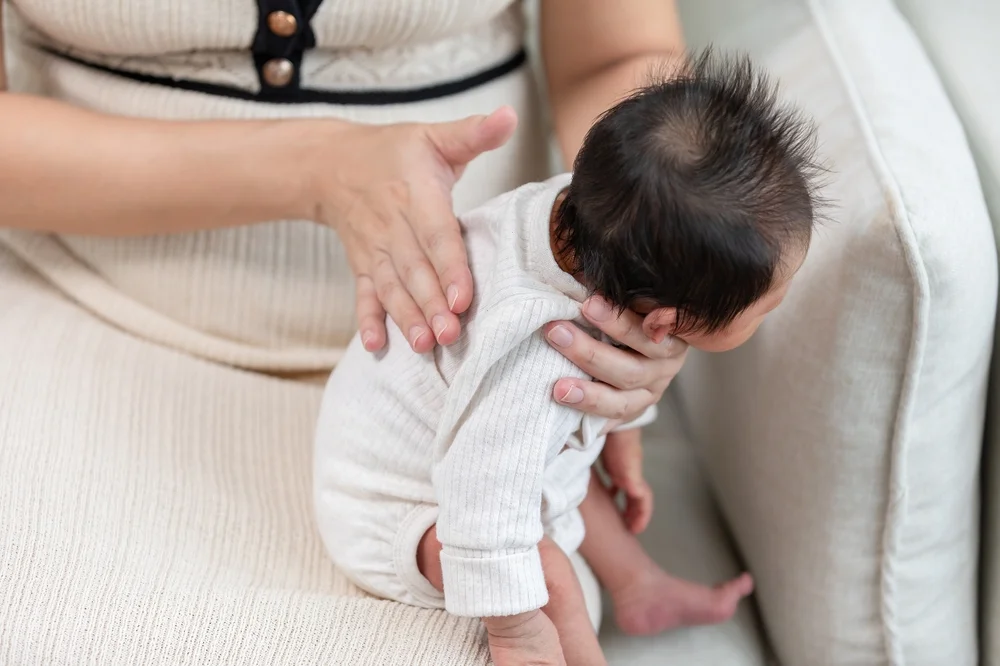
- Upright Place: Preserve your child in an upright place throughout and after feeding. This aids digestion and minimizes the chance of reflux, contributing to a extra comfy post-bottle expertise.
- Tummy Time: Incorporate tummy time into your child’s routine. Inserting them on their tummy for brief intervals may also help relieve gasoline and support in digestion.
- Swaddling: swaddle your child snugly in a comfortable blanket as a result of it reduces the quantity of crying in full-term newborns. This will present a way of safety and luxury, serving to to alleviate fussiness.
- Mild Therapeutic massage: According to Healthline massage relieves gasoline and constipation by doing clockwise movement. This will support in shifting gasoline by way of the digestive tract and supply reduction.
- Paced Bottle Feeding: If you happen to’re bottle-feeding, apply paced bottle feeding. This entails holding the bottle horizontally, permitting your child to suck and swallow at their very own tempo, lowering the chance of overfeeding and discomfort.
- Soothing Sounds: Play comfortable and calming sounds, equivalent to lullabies or white noise, to create a soothing environment that may assist your child chill out.
- Test for Allergic reactions: If you happen to suspect allergic reactions, take into account discussing with a pediatrician to establish potential triggers and make crucial changes to the feeding routine.
- Consolation Measures: Experiment with different consolation measures like rocking, light bouncing, or carrying your child in a child sling. These motions can present further consolation and reassurance.
Extra Suggestions for Dealing with Crying
- Taking good care of your personal well-being is important. Search help from household and mates to share the tasks.
- Don’t hesitate to hunt assist. Parenting is a collective effort, and reaching out for help could make a big distinction.
Widespread Myths About Child Crying
- Fantasy: Letting a child cry will toughen them up.
- Actuality: Ignoring a child’s cries can result in emotions of insecurity and negatively affect their emotional improvement. Responding to a child’s wants fosters a way of belief and safety.
- Fantasy: You possibly can spoil a child by responding to their cries too rapidly.
- Actuality: Responding promptly to a child’s wants helps construct belief and emotional safety. Infants cry to speak, and assembly their wants promptly doesn’t spoil them however moderately helps them really feel protected and liked.
- Fantasy: Crying is dangerous to a child’s lungs.
- Actuality: Crying is a traditional a part of a child’s improvement and doesn’t hurt their lungs. It’s their major technique of communication, and responding to their cries helps meet their wants and construct a robust caregiver-child bond.
Associated: Can A Baby Die From Crying Too Long
What To Do When The Child Cries After A Feed?
- Observe your child’s habits and search for any further indicators that may level to the reason for the crying.
- Attempt burping your child often throughout and after feeding.
- Preserve your child upright for half-hour after feeding to assist stop reflux.
- Experiment with totally different feeding positions to see if that helps.
- If you happen to’re breastfeeding, take into account adjusting your eating regimen or consulting a lactation advisor.
- Speak to your physician if the crying is extreme, extended, or accompanied by different signs.
When to See a Physician
It’s at all times finest to err on the facet of warning relating to your child’s well being, so if you happen to’re involved about their crying, it’s at all times a good suggestion to see a health care provider. Nevertheless, there are some particular occasions when it’s particularly essential to hunt medical consideration.
Listed below are some pink flags that point out you must see a health care provider straight away:
- Your child is crying inconsolably for greater than two hours.
- Your child’s cry sounds totally different than normal, equivalent to high-pitched, shrill, or weak.
- Your child has a fever.
- Your child is vomiting or has diarrhea.
- Your child is refusing to eat or drink.
- Your child is torpid or unresponsive.
Conclusion
Understanding why a child cries after feedings entails a mixture of commentary, experimentation, and session with a pediatrician. It’s essential for fogeys to remain affected person and conscious of their child’s wants. If the crying persists or in case you are unsure concerning the underlying trigger, looking for steering from a healthcare skilled is at all times a sensible choice. Keep in mind, every child is exclusive, and what works for one could not work for one more. Belief your instincts and keep attuned to your child’s indicators.
FAQ’s
Q1: How do I do know if my child is getting sufficient milk?
Search for indicators of contentment after feedings, test moist and dirty diapers, and monitor weight acquire. Seek the advice of your pediatrician for customized recommendation.
Q2: Ought to I be frightened if my child spits up often?
Occasional spitting up is regular, however persistent or forceful vomiting could require medical consideration. Focus on your issues along with your pediatrician.
Q3: When ought to I introduce a pacifier to my child?
It’s usually protected to introduce a pacifier after breastfeeding is effectively established, often round three to 4 weeks. Seek the advice of along with your pediatrician for customized steering.
This autumn: Can teething trigger fussiness after feedings?
Sure, teething may cause discomfort, and infants is likely to be fussier throughout feedings. Present teething aids and seek the advice of along with your pediatrician for added suggestions.
Associated : Why Does My Baby Cry When Eating Solid Food? (Reasons And Tips)